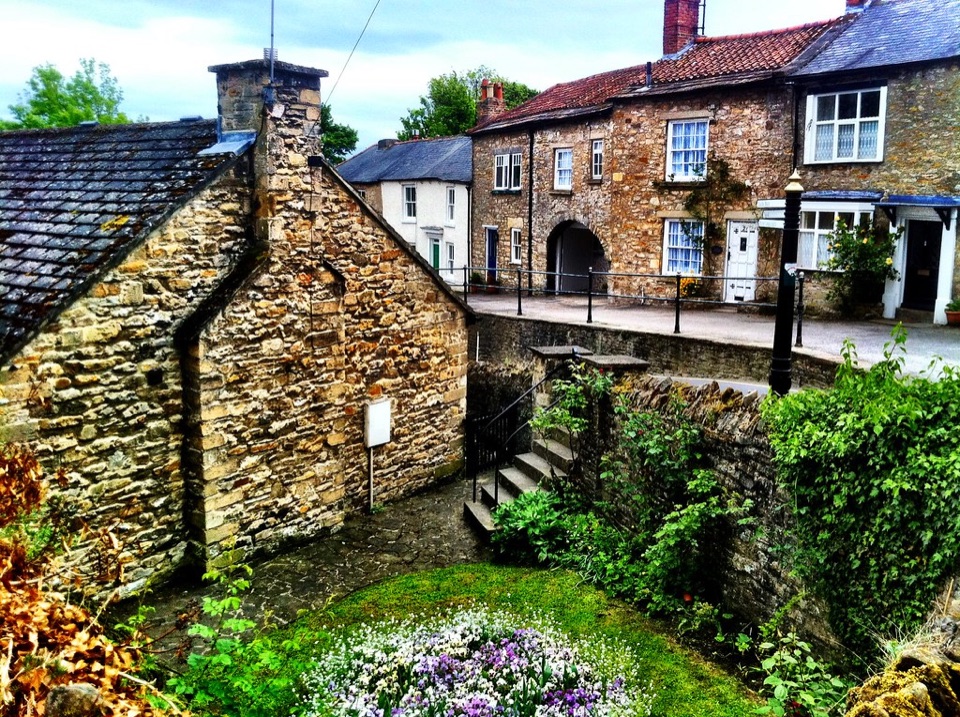
Checking your surface against the planning rules
We look at the wall, roof or yard and tell you whether the rules cover it.
Read this pageNorth, South, West and East Yorkshire
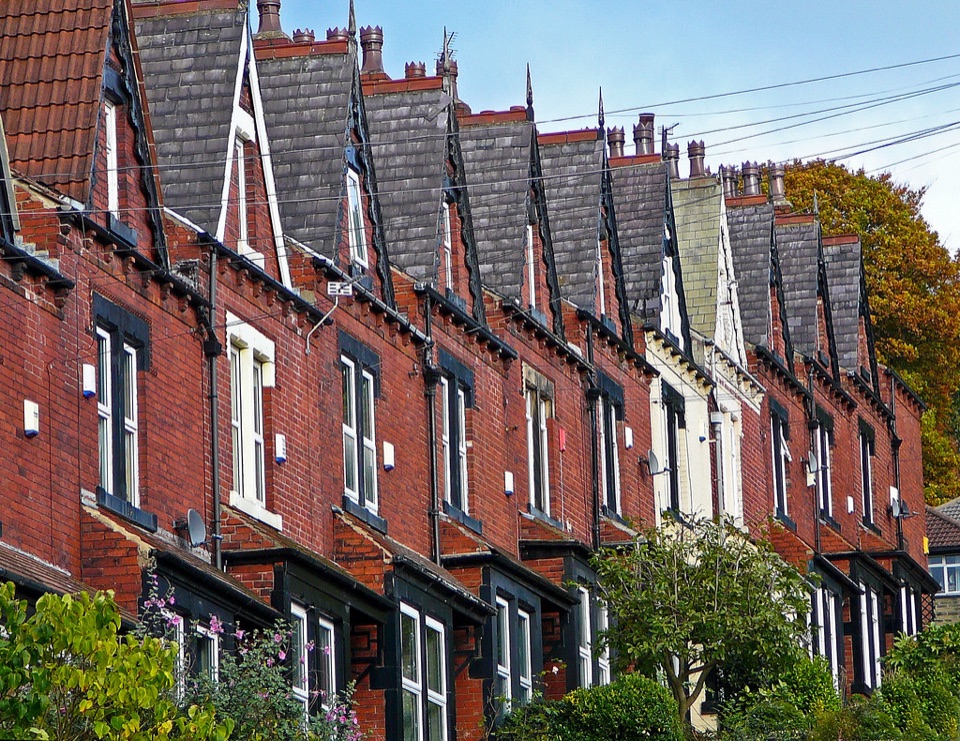
Tell us your postcode and where you'd put the panel. We'll check it against the planning rules, tell you what it would make at your house, and sort out an electrician if you need a socket outside. For a lot of Yorkshire terraces the back yard is the best spot.
We need your name, postcode and email, and to know where the panel would go and what it's made of. Then we email you back with what the rules allow and what it would make in a year.
You'll get a reply by email. We keep your details to ourselves and take no commission.
These are the four places people usually put one. The figures are for an 800 watt panel at a house in Leeds with no shade on it.
729kWh a year from a frame on the ground
A south facing roof pitch at the same house makes 736 kWh. That's about one per cent more, and you don't need a ladder to get to the yard.
Figures from PVGIS for an 800 watt panel with 14 per cent system losses and no shade, modelled at one point in Leeds. Queried 13 September 2026. Your own yard might be shaded, so treat these as a top figure and not a forecast.
Worth checking before you buy
27 August 2026 is when the planning rules for solar equipment changed. The new version doesn't cover a plug-in panel fixed to a wooden wall, a balcony or timber cladding. It applies whether you live in a house or a block of flats.
You can still follow the old rules until 27 August 2027, but after that date only the new version applies.
If your house falls outside the rules, you would have to apply for planning permission. The government's own assessment reckons the fees and paperwork would cost more than the panel itself. We check your surface first so you find out before you order anything.
Source: the Planning Portal's page on solar equipment, checked 13 September 2026.
We do three things for you, in this order. You hear from us by email at each one.
We look at the wall, roof or yard and tell you whether the rules cover it.
Read this page
You can plug it in yourself, and we arrange an electrician for the socket.
Read this page
A short form within 28 days, and we fill it in with you.
Read this page
Yorkshire is one licence area, and the operator for it is Northern Powergrid (Yorkshire) plc. We treat that as provisional, so put your postcode into their own checker before you send anything in.
Northern Powergrid (Northeast) plc is a separate licence covering the ground to the north of us, so a house near the top of North Yorkshire can fall on either side of that line. If you'd rather not look it up, ring 105. It's a free call from anywhere in England, Scotland or Wales, and it connects you to whoever owns the cable in your street.
These are the four we get asked most weeks. There are more on the questions page, with the document each answer comes from named beside it.
Usually not, but the rules come with conditions. These panels sit under the permitted development right that covers small scale solar. That right limits how far the equipment can stand proud of the wall, and it has conditions for conservation areas, listed buildings and, since August, wooden surfaces. If your house falls outside those conditions you have to apply for permission. We work out which side of the line you are on before you spend anything.
One. The specification sets a limit of one panel per final ring circuit, and the network rules narrow that down further. Engineering Recommendation G98 Issue 2 Amendment 1 allows just one per household.
Not one that is covered. The interim product specification leaves storage out. It does not cover a plug-in battery on its own, and it does not cover a panel with a battery built in. So if a kit comes with a battery on it, it sits outside what was approved back in August.
We do not put a price on this site, because the panel, the socket and any circuit work change from one house to the next. We would rather look at your surface and tell you then than print a figure that turns out to be wrong for you.
We'll tell you what the rules allow at your house and what a panel would make there. If the rules don't cover your surface, we'll tell you that too.
Get our answer by email